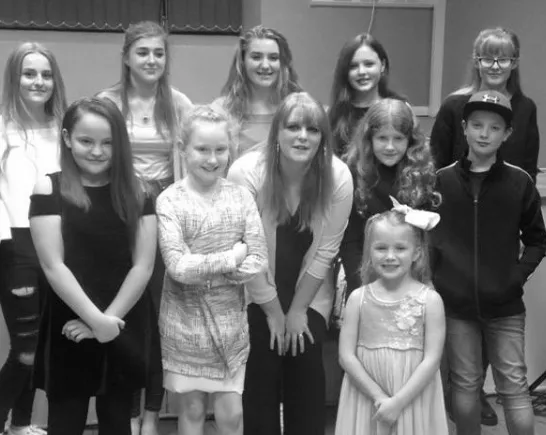
The October 2017 student showcase
The original event report described students performing music ranging from Coldplay to Disney’s Moana, with teacher Emma Sheldon also appearing on stage. It recorded a supportive audience and £110 donated to a charity close to Emma’s heart. These details belong to the October 2017 showcase; they should not be read as promises about the format, fundraising or performers at any future event.
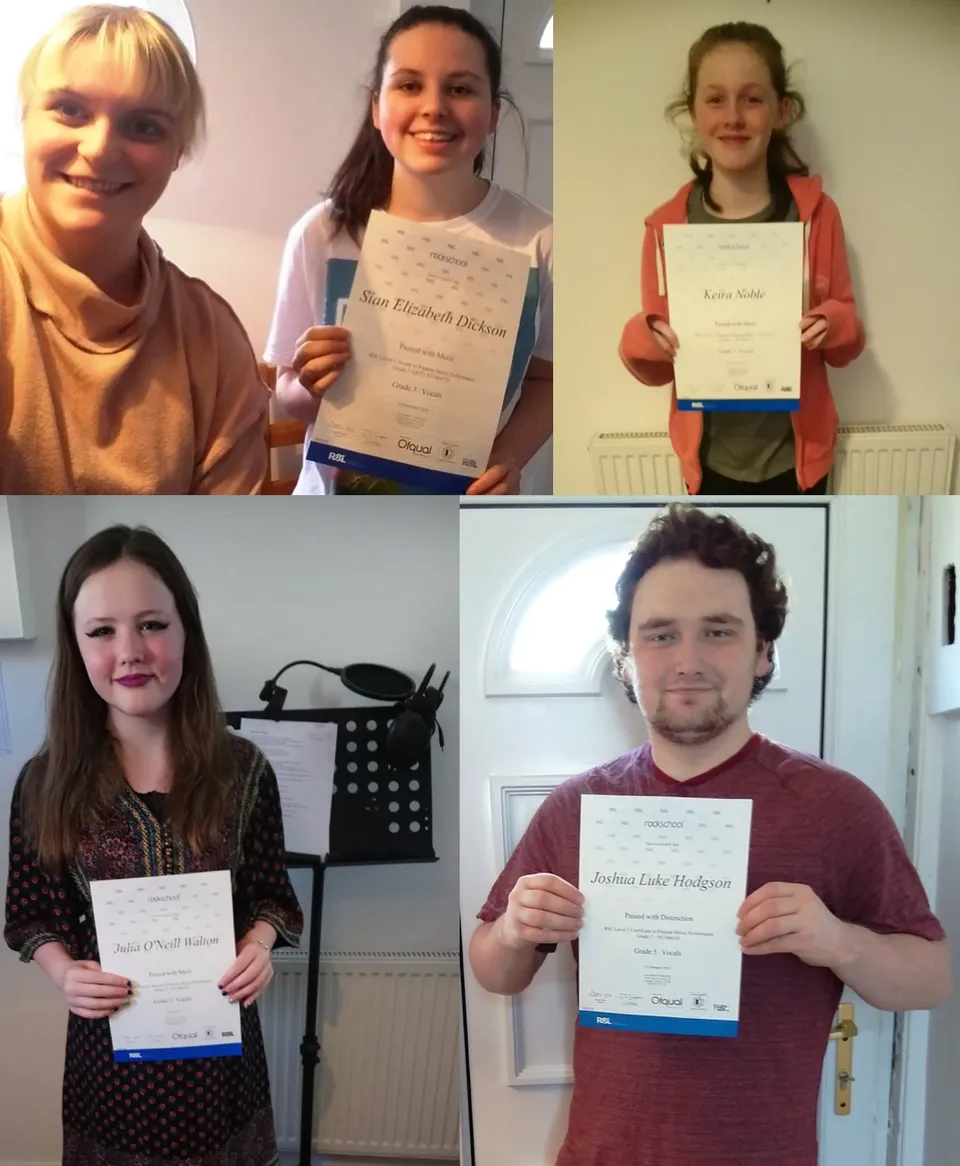
The following 2018 update celebrated students’ examinations, auditions and progression to university. Those were achievements reported at that time, including a reported 100% examination pass rate for the end of 2017. They are historical results, not a current success rate or a guarantee of examination, audition or university outcomes for new students.
Ask about opportunities that are available now
If you would like to perform, ask about current opportunities and explain your experience and interests. Confirm the date, venue, format and any cost before making arrangements. A past annual showcase does not establish that the same event continues today. Participation should suit the learner, and public performance is not a requirement for enjoying singing lessons.
For a first step, consider singing to one trusted listener, sharing a song during a lesson or making a private practice recording. The useful challenge is one you are willing to try. A full public performance can come later if it interests you; there is no need to turn every musical goal into an audition.
Prepare a song you can communicate
Choose music you enjoy and an arrangement that fits your current experience. Learn the opening, the transitions and the ending, as well as the chorus. Practise with the exact accompaniment you intend to use. If there is an instrumental introduction, know the cue that brings you in. A manageable song gives you space to connect with the words and the audience.
If a small mistake happens in rehearsal, practise continuing rather than restarting automatically. Agree one performance intention, such as making the story clear or keeping the opening steady. You do not need to correct every technical detail while facing an audience. Discuss the preparation in singing lessons and build up through short, achievable steps.
Confirm the practical arrangements
Ask whether the organiser provides a microphone, accompanist or playback equipment. Check the required backing-track format and take a backup. Confirm arrival time, soundcheck arrangements and the length of your slot. For children, a parent or guardian should establish supervision, access and photography arrangements directly with the organiser before agreeing to take part.
Afterwards, notice what went well before choosing a next step. Perhaps you remembered an entrance, finished the song or enjoyed a phrase you had practised. A recording can help if it was made with appropriate permission, but it is only one view of one performance. Keep the focus on learning and enjoyment rather than treating an audience response as a final judgement on your singing.